Garage Door Solution After a Power Failure: What to Check
The power clicks back on, clocks blink, the refrigerator hums, and your home breathes out. After that you hit your garage remote and absolutely nothing takes place. Or worse, the door inches down, transforms its mind, and runs back up. Power outages expose weak links that conceal throughout normal days. A garage door is half smart equipment and half heavy mechanical system. After a power outage, both fifty percents can misbehave. Sorting that out promptly matters since your door is the largest relocating object in your home, and it protects devices, automobiles, and the door that leads inside.
I have actually fulfilled lots of homeowners in that first hour after a storm. One had a door that pounded the last foot due to the fact that the travel limits were cleaned. Another found the opener still "locked" from holiday setting and spent a mid-day pushing the wrong switch. A 3rd had a flawlessly great opener, yet ice welded the bottom seal to the piece, and the motor couldn't damage it loosened. None of those problems are hard to repair as soon as you understand where to look. The danger beings in presuming incorrect and compeling a 180 pound door that is fighting you.
Why failures rattle garage doors
An abrupt failure, or the messy voltage swings during reconstruction, can rush an opener's memory, trip a GFCI, or tension old motherboard. On the other hand, the door's mechanical side has no concept the lights went out, but it does bear in mind the last tornado that soaked the tracks, or the years because the last lubrication. When the opener comes back to life and the setups or sensing units are not fairly ideal, modern-day safety and security reasoning errs on the side of caution. It refuses to shut, turns around mid traveling, or blinks its lights as a distress code.
Power concerns expose close phone calls. A door that was just hardly stabilized before the interruption may unexpectedly feel hefty, which compels the opener to work past what UL 325 safety and security rules permit. A drive belt that hung now slides when the electric motor searches for its limitation placements. Photo eyes that were misaligned by a quarter inch might currently look callous the opener's restarted brain.
Start with conditions, not buttons
Before anybody presses farther, step into the garage and look. Listen for a consistent beep from the opener head. Odor for anything toasty near the outlet. If water pooled on the flooring after a tornado, examine whether an extension cable is being in it. If hail storm or wind damaged the door, try to find dings at the track sides. A little observation saves an equipment set.
A quick post-outage security checklist
- Verify the opener's electrical outlet has power, and the GFCI in that circuit is not tripped.
- Make sure the door path is clear, and the picture eyes at the end of the tracks are about lined up and clean.
- Inspect wires on both sides for slack or fraying, and check the torsion springtime for a noticeable gap.
- Tug the handbook launch cable carefully to make sure it is intact and reachable.
- If the floor was damp, make sure plugs, cables, and the opener's rise guard stayed dry.
If you see a damaged springtime, cords off the drum, or a bent track, quit. Those are not do it yourself minutes. A torsion springtime under load will not forgive a mistake, and a cord that has jumped a drum can tighten up right into a bird's nest quicker than you can state "close." Calling a local pro for Garage Door Repair Service Near Me is a more secure and typically quicker course. In Northwest Indiana, that may mean Garage Door Repair work Valparaiso, Munster, Schererville, Crown Factor, Portage, Chesterton, Hammond, Hobart, Lake Terminal, Merrillville, St. John, Cedar Lake, or Whiting. Good firms maintain same-day slots for urgent outages.
Test the door as a door, not a robot
An opener is an assistant, not the muscle mass. A healthy domestic garage door need to raise by hand with two fingers once it gets rid of the very first foot, and it must hover around midway open without wandering more than a couple of inches. That test informs you whether the springtimes are doing their job.
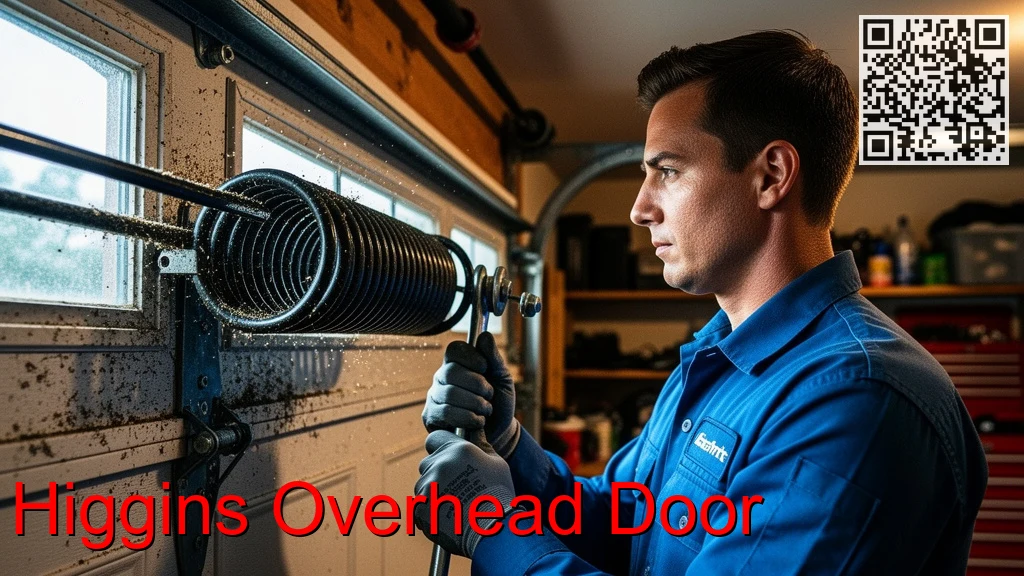
Pull the red launch cable to decouple the cart from the opener. Raise the door efficiently to breast height. If it slams shut or intends to rocket upwards, the springtime stress is off. If it binds, watch the rollers in the track. A roller that jumps or scrapes can telegraph a bent hinge, a track that took a bump, or a fastener that worked loose. If you feel grit, the tracks may be dirty instead of misaligned. Do not oil the tracks. Wipe with a cloth, after that use a silicone spray extremely lightly on the rollers' stems and the joint joints. Maintain oil away from the torsion spring itself unless you understand what you are doing, and never loosen established screws on the springtime cones.
If the door is well balanced and relocates easily by hand, your mechanical system most likely survived. That aims us to the opener setup and electronics.
Re-engage and reset the opener
After a blackout, numerous openers fail to remember where closed and open live. Others sit in a safety lockout until they see a clean cycle. Reconnecting appropriately matters more than switch randomly. Follow this straightforward course and you will certainly stay clear of most false starts.
- Reconnect the cart by drawing the launch cable toward the opener, after that run the opener as soon as by remote so the cart breaks back onto the carriage.
- Power cycle the opener. Disconnect for 30 secs, plug back in, and wait on beeps or a light series to finish.
- Check the wall console for a glowing "lock" or "vacation" icon. If lit, hold the lock switch 3 to 5 secs to clear it.
- Reprogram traveling limitations and force if the door cuts short or bangs the last few inches. Make use of the Learn or Set buttons on the opener head, follow the printed steps inside the cover, and run one full open and close.
- Align image eyes. Clean each lens, aim them square at each other regarding 6 inches over the floor, and confirm both standing lights are consistent, not flickering.
Once the opener understands where the flooring is, carry out a reversal check. Area a 2 x 4 level on the floor under the door. Close the door with the remote. When the door contacts the board, it must reverse within regarding two seconds. If it does not, back off the down force and renovate the restriction. That test is not optional. It is the one that verifies the opener still satisfies UL 325 entrapment policies after the reset.
What rises do to opener electronics
Not all outages pass away quietly. Lightning near a line and the return of power can produce spikes that old rise strips shrug at. I have replaced logic boards that smelled simply faintly of charred varnish, and antenna wires that browned near the grommet. A metal oxide varistor, the little part that frequently compromises itself on a surge, might not stop working instantly. You could see odd habits for a week initially, like remotes with much shorter variety or arbitrary self cleaning of settings.
If your opener shed memory in addition to the power, inspect 2 locations. Keyless access pads on the jamb usually need their time and short-lived PIN attributes reprogrammed, but the primary rolling codes for remotes generally endure unless the board was wiped. If all remotes are dead yet the wall surface console still runs the door, the board's radio area might have taken the hit. Exterior add-on receivers exist for several brand names. They piggyback onto the wall button terminals and offer you new remotes without changing the entire head.
Battery backup systems aid throughout an interruption, but they fade after 2 to 4 years. Lots of belt drive openers use a small 12 volt secured lead acid battery or a proprietary lithium pack. If your wall surface console beeps every 30 seconds after power returns, and you see a red battery icon, the pack most likely demands substitute. Anticipate a price range of 30 to 120 dollars depending upon brand name. Switching is as straightforward as opening up a front hatch on the electric motor head, yet mind the polarity and recycle the old battery properly.
Photo eyes are small, yet they make a decision everything
Half of the post-storm calls I get entail the image eyes. They sit near the flooring, exactly where wind-driven debris, children' bikes, and mops struck. When power returns, several openers experience a sensing unit self check. A misaligned or sunwashed sensor causes the door to close a few inches and after that reverse with a blink code.
Most brands reveal a constant eco-friendly or brownish-yellow on one side and a stable solid on the various other when straightened. If you see a flicker, push gently on the brace till the light holds. Tighten the wing nut just sufficient. With time, brackets sag. Some light weight aluminum doors shake much more in wind and knock the eyes off plane. In west-facing garages, direct sun late in the day can bewilder older sensing units. A simple hood or a minor angle inward can help. Keep the facilities at about 6 inches off the floor to follow safety and security clearances and garage door troubleshooting to decrease the possibility of mop strikes.
Chains, belts, and screws that need interest after stress
The drive system takes the brunt when a door binds. A chain that jumped a tooth will babble. A belt that is too loosened will ride up on a gear and really feel jerky. With the door closed and the opener unplugged, check the tension. A chain needs to hang with a small amount of droop at midspan, approximately the thickness of a nickel or more. A belt should look right with a mild give when you squeeze it. The majority of rail settings up have a tension nut near the trolley. Add a quarter turn each time, after that test. Prevent over tightening up, which includes wear to the motor shaft and sprockets.
For screw drive devices, a completely dry screw can moan after a few power spots if the carriage lost its lubrication memory point. A white lithium grease applied lightly along the screw helps. Do not pack it. A hefty coat will certainly collect dirt and mess up in cool weather.
Side-mount openers and special cases
Not every home utilizes a ceiling rail. Jackshaft openers place to the wall surface and turn the torsion shaft straight. After Residential Garage Doors a failure, they can shed their reference to the door lock or the position sensor on the shaft. Ensure the hand-operated deadbolt is not involved. Numerous jackshafts ship with an automatic lock that throws a pin into the track at full close. After a power cut, that lock might remain involved until the opener runs a self check. If you listen to clicking from the lock however no door movement, wait for the lock to launch, after that run a full cycle.
If your door makes use of a high-lift track, the equilibrium point is various. The opener expects even more travel to reach the top quit. When power returns, limits can land brief and leave the door 6 inches open. Rerun the restriction shows and view the last foot of traveling to guarantee the cable covers tight on the drum and does not stack.
When a door quits halfway or bounces
A door that stops at midspan typically sends one of 3 messages. Initially, the opener's down pressure is set as well low for the friction in the system. Second, a roller binds at a certain joint, often the 3rd or 4th up where track curvature starts. Third, ice or a stuck seal near the bottom created the opener to notice a hard stop earlier, and it currently plays it secure by rejecting to close totally without a reset.
To isolate the issue, run the door down while you watch the rollers. If it constantly stops at the same place, look for a track screw backed out right into the roller path, or a damage at the joint where 2 track sections meet. Winter brings another crease. The bottom rubber seal can adhere the piece, particularly if meltwater ran under the door during the day. A flat pry device or a hair dryer breaks that bond carefully. Do not keep hitting the remote, which can peel the seal or toss a cable as the opener jerks.
Remotes, keypads, and rolling codes after a blackout
Most modern Residential Garage Door Openers use rolling code modern technology. The loss of power does not normally eliminate that code from the remote fob. What does go away in some cases is the opener's learned listing of which remotes to count on. If none of your remotes work, but the wall surface switch operates the door, put the opener in Learn setting and train one remote. Then test the remainder. If a keypad wakes up yet approves no PIN, come back the master PIN and include a new user code. Some brands additionally fail to remember the moment setup and arranged close functions after extensive outages. If your door began vehicle closing at strange times, take another look at those setups on the app or console.
Range problems often show up after tornados since nearby power supplies and LED bulbs discharge radio sound. If you have a brand-new LED shop light or a substitute light bulb in the opener head itself, exchange it for a garage-rated light bulb. I have actually seen economical LEDs reduced remote range to 10 feet. A tiny antenna cable that hangs from the opener head must be straight and intact. If it damaged at the case after a surge or a bump, a brief pigtail substitute from the producer brings back normal reach.
GFCI, breakers, and blink codes
Garages share circuits with outdoor outlets regularly than people realize. A ground mistake at a damp patio receptacle can trip the GFCI that feeds your opener. Seek a reset switch on any electrical outlet in the garage, mudroom, or exterior. Press reset and try the opener once again. If it journeys instantaneously, disconnect every little thing on that particular circuit and test once again. If the opener alone journeys the GFCI, water most likely intruded into the motor head or the board took damage.
Openers speak in flashes. 2 blinks on the down arrowhead, 4 on the up, stable fast blinks on the sensing unit light, each brand name has its language. The within the opener's cover usually details the legend. If you do not have that, the majority of producer sites keep a PDF of your design's manual. Do unclear codes thoughtlessly. If the reasoning says sensor blocked, you want to repair alignment, not hammer the force establishing higher.
When to call a pro, and what to expect
These are excellent moments to grab the phone: a broken torsion spring, wires that slipped and covered badly, a curved or drew track, blister marks on a reasoning board, or a door that falls short the 2 x 4 turnaround also after correct restriction and force configuration. A professional tech brings both parts and exercised judgment, and will certainly end up in under two hours for the majority of these tasks. Expect a springtime replacement to land in the 200 to 500 dollar array for conventional domestic doors, more for specialized or multi spring setups. Logic board substitutes differ widely, from 120 to 300 bucks for components plus labor. Travel restrictions, sensing unit positioning, and equilibrium adjusting, if none are required, usually match a service telephone call minimum.
If you are searching for Garage Door Firms Near Me in our area, seek teams that deal with both Garage Door Setup and Garage Door Fixing. That matters when a curved panel or an out-of-date opener crosses your scenario with today's security requirements. We offer homes throughout the region for Garage Door Fixing Valparaiso, Garage Door Repair Crown Factor, Garage Door Repair Work Schererville, Garage Door Repair St. John, Garage Door Fixing Munster, Garage Door Repair Merrillville, Garage Door Repair Service Portage, Garage Door Repair Work Hobart, Garage Door Repair Work Lake Terminal, Garage Door Repair Work Hammond, Garage Door Repair Service Chesterton, Garage Door Fixing Cedar Lake, and Garage Door Repair Work Whiting. Same concepts use no matter where you live, however local staffs recognize the weather condition patterns and the usual door versions in your subdivisions, which speeds up diagnosis.
Smart security and little upgrades that assist following time
Two low-cost items do outsized work. A plug-in surge protector rated for electric motor tons, not just office gear, filters awful power. Mount it high and completely dry. An intense tag on the hand-operated release cord, printed with "Pull down and back to disengage, run opener to re-engage," saves your future self from wrestling a persistent trolley. Add an extra set of remote batteries to the kitchen area cabinet. They pass away at the least convenient time.
Consider a battery back-up opener if your own precedes that choice. In a long outage, you will appreciate being able to reoccur without lifting a sectional door by hand. Many contemporary Residential Garage Door Openers fold in Wi‑Fi, which sends an alert to your phone if the door stops working to close or if it stays open after dark. That is not a gimmick. I have actually viewed next-door neighbors obtain a ping while bent on dinner and call me to examine a door stuck six inches up, before a storm blew rain inside.
Look at your Residential Garage Door Accessories also. A new weather condition seal along all-time low quits wind blown rainfall that enjoys to locate its method under the panel during storms. Nylon rollers run quieter and last longer than steel in damp climates. A strut on the leading area of a wide dual door stiffens against wind tons, which consequently keeps your tracks and opener better when the power returns and the first close command arrives.
If your door is older and the panel skin flexes, you may match a modern-day opener with a sturdier Residential Garage Door. Good Garage Door Setup alters the entire system's personality, not just the appearance. A shielded steel sandwich door stays balanced far better through temperature level swings, meaning less force recalibrations after outages.
A tornado day story that clarifies the sequence
One summer season squall line knocked out half a community along the Valpo and Portage border. As the grid returned in steps through the mid-day, calls stacked. The initial home had a belt drive that would certainly not close. Sensors looked fine, yet the sun now hit the garage mouth right on. The solution was a small internal toe on the receiver sensor and a guard clip, after that a fast re-learn of traveling so the last two inches did not thump.
Two roads over, a chain drive sat dead because the GFCI in a snowblower electrical outlet on the side wall had actually tripped hours earlier. A reset brought it to life. The cart declined to reconnect due to the fact that the door had actually bound up at the limit. A little ridge of dried out, wind-driven grit had glued the seal. Once scratched and wiped, the opener ran a full cycle and passed the 2 x 4 test.
A third hire Munster disclosed a broken springtime that the proprietor had not discovered in the dark garage. The opener had tried to raise a dead weight and removed a nylon gear. That became a springtime substitute, a new gear set, and a lesson. If a door will certainly not raise by hand in release mode, the opener must not try either.
Those three homes show the course. Examine power and sensing units. Evaluate the door by hand. Reset the opener with intent. Call for aid when the issue is larger than a setting.
The worth of doing it right, right away
A garage door that fights you after an outage is sending a signal. It may be as simple as a stumbled GFCI or as severe as a tired springtime. Taking fifteen mins to examine the items over stops larger damage. It likewise maintains your home protect on nights when half the street is dark and moods are short.
If you choose to hand it off, we rejoice to run the checks, repair what we find, and tune the system so the next interruption comes to be a non-event. Whether you need quick Garage Door Service or a deeper Garage Door Fixing, we bring the components, the ladders, and the exercised eye that sees trouble prior to it damages. If a brand-new door or opener is the much better lasting option, we will certainly claim so simply and deal with the Garage Door Setup on your schedule.
Your garage door ought to be uninteresting, even after a storm. A quiet close, a strong seal at the flooring, a constant light on the wall console, and remotes that work from the street. Do the fundamentals above, or have a pro do them for you, which is specifically what you will get.
Higgins Overhead Door 1305 Erie Ct, Crown Point, IN 46307 +12196632231
 Ask ChatGPT
 Ask Grok
 Ask Perplexity
 Ask Claude
 Ask Google AI
 Ask You